

For steak lovers, the choice of cut is everything. It shapes the flavour, the texture and the way the meat responds to heat. Among the wide variety of steak cuts, rump steak and porterhouse steak often stir debate. They each have loyal fans, but they offer quite different eating experiences.
While porterhouse has long been a favourite for those who want the best of two cuts in one, rump steak quietly holds its ground with a bold flavour profile and satisfying texture. For those who love porterhouse but want to enjoy something very close, the t bone steak delivers nearly the same experience.
Understanding Rump Steak
Rump steak comes from the hind leg section of the beef, an area that works harder than the loin. Because of this, rump has a denser texture and is a leaner cut with minimal marbling. What it may lack in buttery softness, it makes up for in rich beefy flavour. It is a favourite cut for people who want the taste of beef to be front and centre.
This cut is also incredibly versatile. It responds beautifully to pan frying, pan searing on a cast iron pan or slow cooking in casseroles and stews. When served medium rare, rump strikes a perfect balance between a firm bite and a deliciously juicy interior. It is also budget friendly compared to some premium cuts, making it a smart choice for everyday enjoyment without compromising on flavour.
Many steak aficionados also love rump for its resilience. It can handle a little overcooking without drying out too quickly and its strong flavour stands up well to marinades, spice rubs and bold sauces.
Understanding Porterhouse Steak
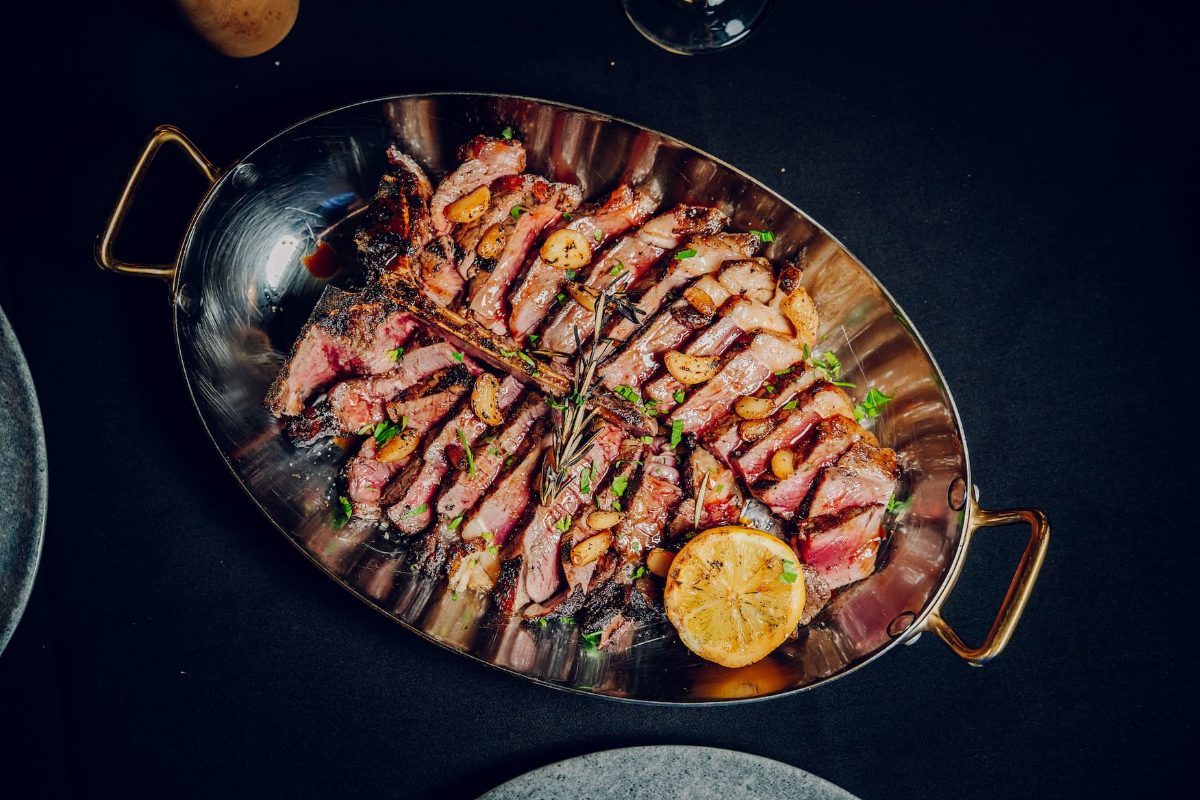
Porterhouse steak is cut from the short loin of the beef and features a distinctive t shaped bone running through the middle. On one side of the bone is the tenderloin, prized for maximum tenderness, while the other side is a sirloin steak with robust flavour. In one thick slice you get the best of both worlds, a tender cut and a flavourful cut cooked together.
Porterhouse is a premium cut often enjoyed medium rare to preserve the tenderness of the fillet side while letting the sirloin side develop its full flavour. It usually has a generous size, making it ideal for sharing or for diners with a big appetite.
With more fat content and marbling than rump steak, porterhouse benefits from high heat cooking methods like grilling or pan searing. The fat cap and marbling help create a crisp crust while keeping the meat juicy inside.
Rump vs Porterhouse: The Key Differences
The differences between rump and porterhouse start with their location on the animal. Rump is from the working muscles of the hind leg, giving it a firmer texture and leaner profile. Porterhouse comes from the short loin, an area that does less work, which results in a more tender bite and more marbling.
In flavour terms, rump has a deeper beefier character that appeals to those who love the natural taste of meat without too much fat. Porterhouse delivers a dual experience with the buttery tenderness of the fillet and the richer chew of the sirloin steaks, both enhanced by its higher fat content.
Cooking styles also vary. Rump thrives with pan frying, slow cooking or grilling over moderate to high heat and is excellent when served medium rare. Porterhouse works best with high heat grilling or pan searing and is often finished in the oven to ensure both sides of the bone cook evenly.
Other Cuts Worth Exploring
Steak lovers often branch out to try other cuts as well. Scotch fillet is a marbled premium option from the rib section with a juicy tender bite. Tomahawk steak makes an impressive statement with its rib bone left in place, while flank, hanger and bavette steaks each bring their own texture and flavour profiles to the table. Skirt steak is another standout, delivering bold beef flavour that is perfect for slicing thin against the grain.
Each cut brings something different to the plate, and the best choice comes down to personal preference and how you like your steak cooked.
Choosing Between Rump and Porterhouse
If tenderness is your top priority and you like the idea of two cuts in one, porterhouse is hard to beat. If you want a leaner cut with strong satisfying flavour, rump steak is an excellent choice. It is also more affordable, making it perfect for regular indulgence.
Both cuts are at their best when cooked with care. Resting the meat before serving, using the right amount of heat and pairing it with sides that complement rather than overpower the steak will ensure an unforgettable meal.
Enjoy Rump and T Bone Steaks at Elements Brasserie
At Elements Brasserie in Belmore, rump steak is a star on the menu. We prepare our wagyu rump with care to bring out its rich flavour and juicy texture, serving it with your choice of chips, salad or creamy mash.
While we do not offer porterhouse, we serve an exceptional t bone steak. The t bone is very similar to porterhouse, featuring the same t shaped bone with sirloin on one side and tenderloin on the other. The main difference is size, as porterhouse is generally larger, but the flavour and texture experience is nearly identical.
Whether you are in the mood for the bold taste of rump or the classic appeal of a t bone, our chefs know how to bring out the best in every cut. Grass fed beef, careful seasoning and perfectly executed cooking techniques make every bite memorable.
Join us at Elements Brasserie in Belmore and discover why steak lovers keep coming back for more.