
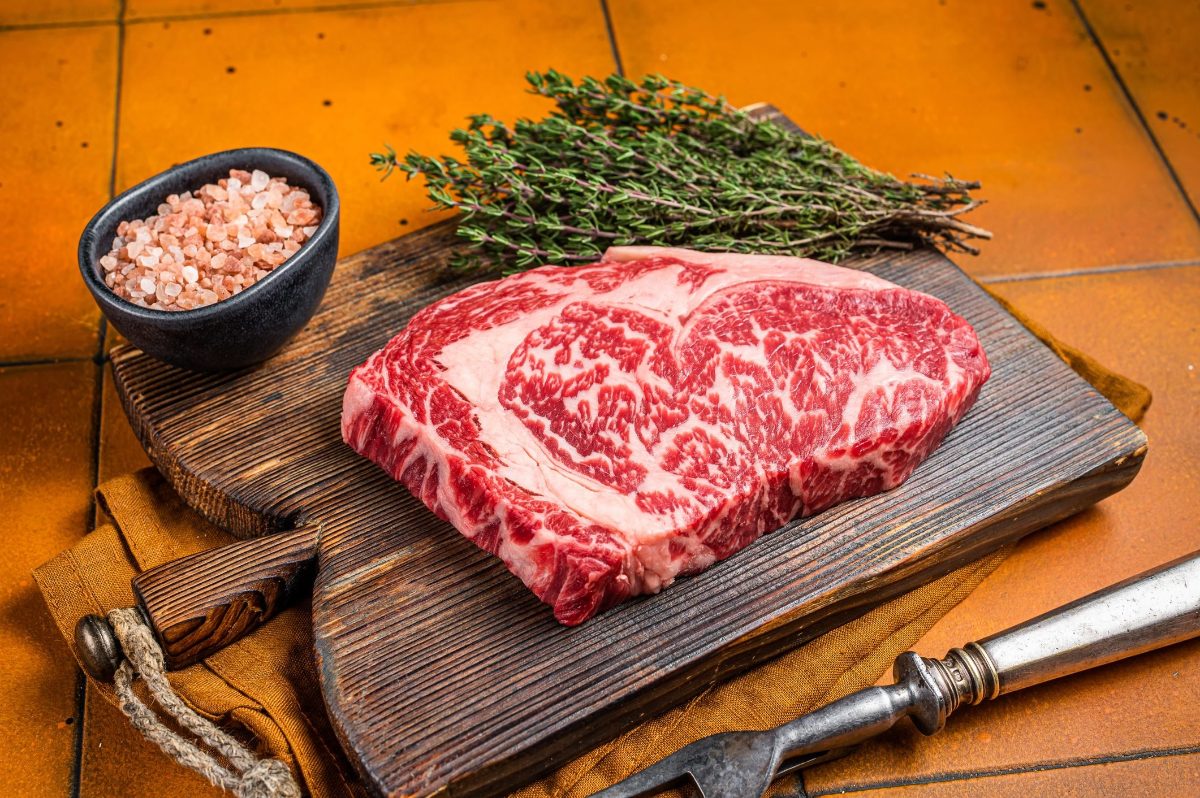

When you visit a steakhouse, choosing how you’d like your steak cooked can be just as important as selecting the cut itself. Each level of doneness offers a unique balance of flavour, texture, and juiciness. Below, we walk through the main categories of steak doneness so you know exactly what to expect when placing your order.
Understanding Steak Doneness
Blue
- Internal temperature: Approximately 28–30°C (82–86°F)
- What to expect: A cool, deep red centre that is nearly raw. Blue steaks are extremely soft, very juicy, and offer a melt-in-the-mouth texture with only a lightly seared exterior.
Rare
- Internal temperature: Approximately 34–36°C (93–97°F)
- What to expect: A warm, bright red centre with minimal cooking. Rare steaks are exceptionally juicy and tender, ideal for those who enjoy very lightly cooked beef.
Medium Rare
- Internal temperature: About 40–42°C (104–108°F)
- What to expect: Often considered the gold standard, medium rare delivers a warm red centre, rich flavour, and excellent juiciness with a slightly firmer bite than rare.
Medium
- Internal temperature: Around 50–52°C (122–126°F)
- What to expect: A pink centre with a balanced combination of moisture and firmness. Medium steaks retain plenty of flavour while offering a more developed crust.
Medium Well
- Internal temperature: Approximately 60–62°C (140–144°F)
- What to expect: Just a hint of pink remains. Medium well steaks are firmer but can still be flavourful and reasonably juicy when cooked with care.
Well Done
- Internal temperature: 75°C+ (167°F or higher)
- What to expect: Fully cooked with no pink. A firmer texture and reduced juiciness, preferred by diners who enjoy their steak thoroughly cooked.
How Steakhouses Achieve Perfect Doneness
Quality Cuts and Preparation
Steakhouses begin with premium cuts such as ribeye, sirloin, filet mignon, and T-bone. Each cut offers distinct characteristics in flavour and tenderness. At Elements Brasserie Belmore, our chefs select high-quality local beef to ensure consistent results.
Monitoring Internal Temperature
Cooking times vary depending on thickness and heat, but professional kitchens rely on precise internal temperatures rather than guesswork to deliver accurate doneness every time.
Searing and Resting
A high-heat sear creates a flavourful crust while locking in juices. Resting the steak after cooking allows juices to redistribute evenly, ensuring maximum tenderness.
Sous Vide and Other Techniques
Some steakhouses use sous vide cooking for exact temperature control, finishing the steak with a final sear. This method is especially popular for achieving consistent medium rare results from edge to centre.
Choosing the Right Steak for You
- Ribeye: Richly marbled with bold flavour
- Sirloin: Leaner but still flavourful
- Filet mignon: Exceptionally tender with a delicate texture
- T-bone or porterhouse: Combines tenderloin and strip steak for variety
No matter the cut, selecting the right doneness is key. Learn more in our guide on What Is the Best Cut at a Steakhouse.
A Taste of Local Flavours at Elements Brasserie
For a steak cooked exactly the way you like it, visit Elements Brasserie. Our local steakhouse menu showcases premium cuts prepared by skilled chefs. Whether you prefer a rare ribeye or a medium well filet, each steak is paired with thoughtfully crafted sides designed to highlight fresh, local produce.
Frequently Asked Questions
Does steak taste better rare, medium, or well done?
Taste is personal. Many diners enjoy medium rare for its balance of flavour and juiciness, while others prefer the firmer texture of medium well or well done.
Which steak doneness is best?
There is no single best doneness. Medium rare is popular for its tenderness and flavour, but the ideal choice depends entirely on personal preference.
Is steak better medium rare or well done?
Medium rare typically delivers greater tenderness and juiciness, while well done offers a firmer texture with no visible pink.
What are the different levels of steak doneness?
The main levels are rare, medium rare, medium, medium well, and well done. Each corresponds to a specific internal temperature and texture.
When you’re ready to enjoy a perfectly cooked steak, we invite you to dine at Elements Brasserie. Our chefs are dedicated to mastering every cut and doneness level. Book a table at Elements Brasserie today.